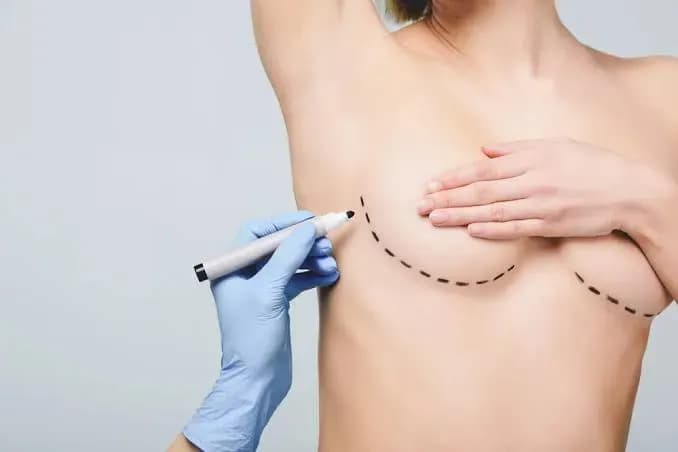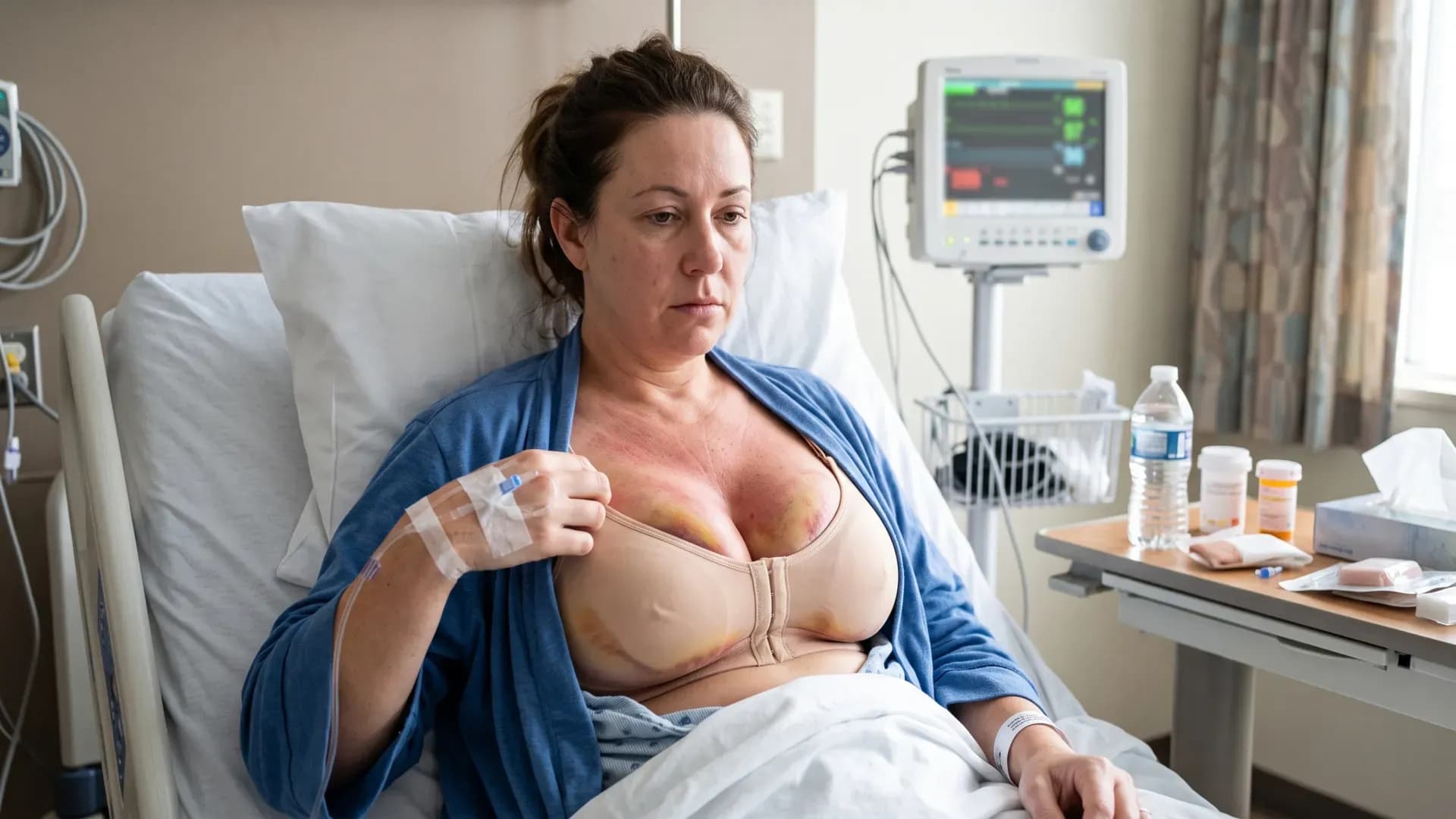
Breast augmentation surgery complications fall into two very different categories: the short term risks shared by any surgery, and a set of implant specific issues that are unique to this procedure and worth understanding in detail before you commit.
As part of the KURBUO plastic surgery network, here is what actually matters, beyond the generic risk list every clinic repeats.
General Surgical Risks
Infection, bleeding, poor scar formation, and reactions to anesthesia are risks shared with any major surgery. These are generally manageable and become less likely with a board certified surgeon operating in an accredited facility with proper preoperative screening.
Capsular Contracture
This is the most common implant specific complication. Scar tissue that naturally forms around every implant sometimes tightens excessively, causing the breast to feel firm and, in more advanced cases, visibly distorted or painful. It can develop months or years after surgery and, when significant, usually requires a second surgery to correct.
Implant Rupture and Rippling
Implants are not designed to last a lifetime. Saline implants deflate visibly and quickly when ruptured, while silicone implants can rupture silently, which is why periodic imaging is recommended for silicone implants even without symptoms. Rippling, a visible wrinkling of the implant surface under the skin, is more common in thin patients with less natural breast tissue covering the implant.
Changes in Sensation
Temporary changes in nipple or breast sensation are common in the months after surgery. Permanent loss or alteration of sensation is less common but does happen, more often with larger implants or specific incision approaches, and is worth discussing directly with your surgeon if sensation matters to you.
BIA-ALCL and Breast Implant Illness
BIA-ALCL is a rare cancer of the immune system linked to certain textured implants, not the implants themselves as a category, and is treatable with early detection. Breast implant illness refers to a cluster of systemic symptoms some patients report, currently without a confirmed causal mechanism, that some patients report resolving after implant removal. Ask your surgeon directly which implant surface texture they use and why.
Minimizing Your Risk
A board certified surgeon with documented experience, a thorough preoperative evaluation of your health and anatomy, and following postoperative instructions exactly are what actually reduce these risks in practice. Fat transfer augmentation, which uses your own tissue instead of an implant, is worth asking about if you specifically want to avoid implant related risks, though it produces a more modest size change.
How KURBUO Evaluates Your Case
A verified plastic surgeon from our network reviews your health history and discusses implant type honestly during a free medical teleconsultation, including which risks apply specifically to your case. If you have already decided to move forward, our guide on breast augmentation recovery covers what happens after surgery. You can read exactly what happens during that first call in our guide on what to expect from your first international medical teleconsultation, part of how the full KURBUO process works.
If you have specific concerns about implant safety, work through them directly with a specialist before deciding. Schedule your free teleconsultation with a verified KURBUO plastic surgeon and get honest answers.
Frequently asked questions
How do I know if I have capsular contracture?
Signs include a breast that feels unusually firm, looks visibly distorted or higher than the other side, or becomes painful. It can develop months or years after surgery and should be evaluated by your surgeon rather than self diagnosed.
How would I know if my implant ruptured?
Saline ruptures are usually obvious, with visible deflation over days. Silicone ruptures are often silent, which is why periodic imaging is recommended for silicone implants even without symptoms.
Is BIA-ALCL common?
No, it is rare and linked specifically to certain textured implant surfaces rather than implants as a category. It is treatable with early detection, which is part of why choosing your implant type deliberately, with your surgeon, matters.
Are the risks the same for every patient?
No. Body type, implant size and placement, skin thickness, and overall health all shift your individual risk profile, which is why a personalized evaluation matters more than generic risk statistics.
What if I want to avoid implant related risks entirely?
Fat transfer breast augmentation uses your own tissue instead of an implant, avoiding implant specific risks like rupture or capsular contracture, though it typically produces a smaller size increase than implants.
At KURBUO we work exclusively with certified, verified plastic surgeons in Colombia and the Dominican Republic, who discuss implant risks and options honestly before you decide. Schedule your teleconsultation with KURBUO and take the first step, guided by a specialist.