After months or years of negative tests, calendars, and waiting, almost everyone trying to conceive ends up asking the same quiet question: “What if my case is more difficult?”.
That doubt is often accompanied by information overload, conflicting diagnoses, and the feeling that every failed attempt leads to a dead end. This article does not aim to sell absolute certainties or magic formulas; its goal is to provide an honest, clear, and evidence-based medical explanation of what happens during in vitro fertilization, what factors define a case as clinically complex, and how diagnostic accuracy shapes the outcome of a treatment.
What Is In Vitro Fertilization and How Does It Work?
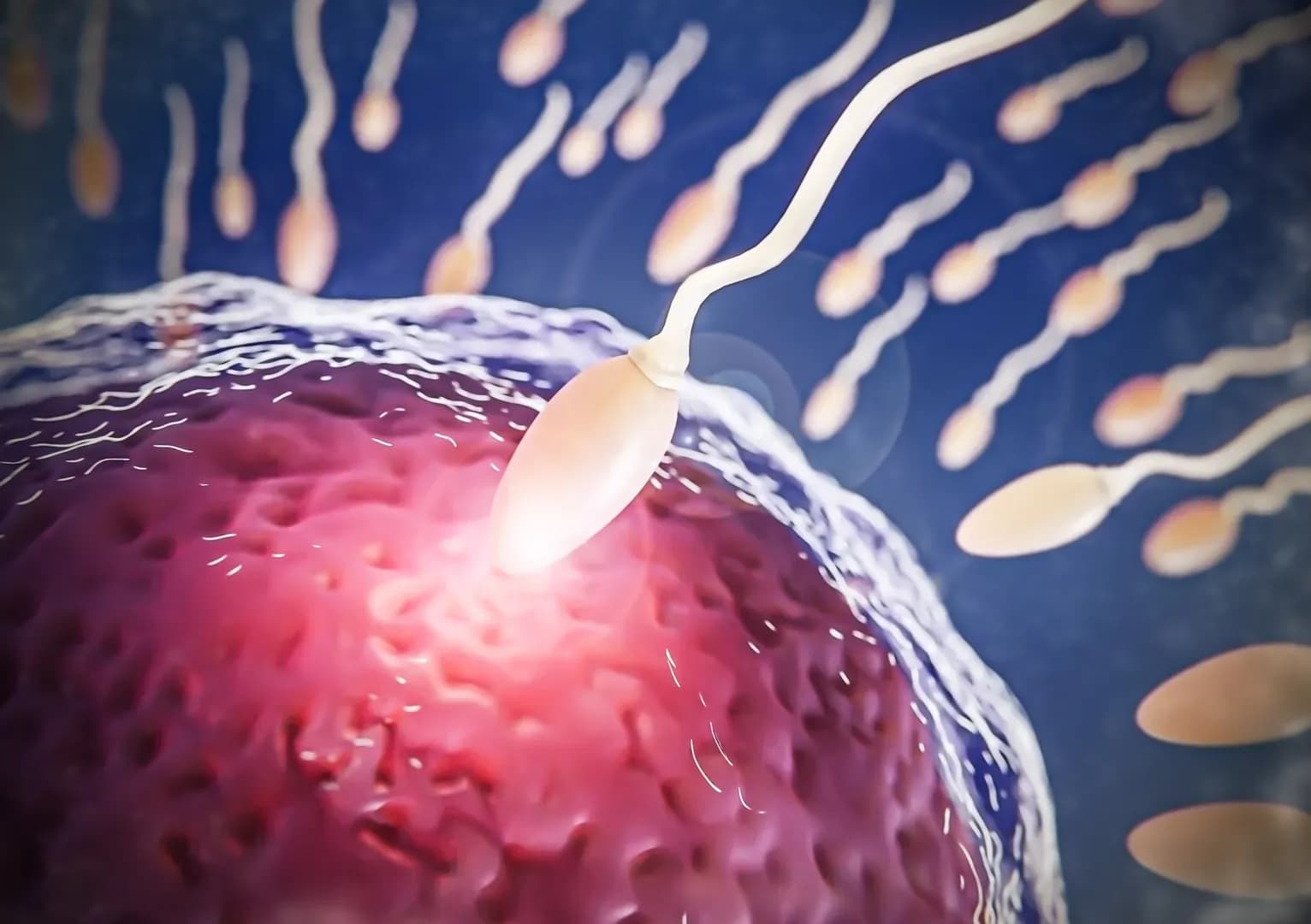
In vitro fertilization (IVF) is a high-complexity assisted reproduction procedure where the fertilization of the egg by the sperm takes place outside the body in a strictly controlled laboratory environment. Its objective is to generate viable embryos and transfer the most suitable one into the uterine cavity.
The Cycle Step-by-Step: Stimulation, Retrieval, Laboratory, and Transfer
A standard cycle comprises four fundamental clinical and biological stages:
- Controlled Ovarian Stimulation: Over an average of 10 to 12 days, hormonal medications are administered to induce the growth of multiple follicles in the ovaries, monitored through serial ultrasound scans and blood hormone levels.
- Follicular Puncture (Egg Retrieval): Once follicles reach optimal size, an outpatient procedure under mild sedation is scheduled. Guided by transvaginal ultrasound, the specialist aspirates fluid from the follicles to collect mature oocytes.
- Fertilization and Laboratory Culture: In the embryology laboratory, retrieved eggs are joined with sperm cells that have been prepared and capacitated. The resulting embryos are maintained in specialized incubators for 3 to 5 days to assess cell division and quality up to the blastocyst stage.
- Embryo Transfer: A thin, flexible catheter is gently guided through the cervix to place the selected embryo directly into the endometrium. This procedure is painless, does not require sedation, and takes only a few minutes.
Conventional IVF, IVF with ICSI, and Artificial Insemination: Key Differences
Confusion among these three treatments is common, yet they involve very different clinical and biological approaches:
- Artificial Insemination (AI): A low-complexity procedure where fertilization occurs inside the woman's body. The prepared semen sample is placed directly into the uterus using a fine cannula to coincide with spontaneous or induced ovulation.
- Conventional IVF: A high-complexity procedure. The egg and a calibrated concentration of sperm are placed together in a culture dish so that penetration occurs naturally in the lab.
- IVF with ICSI (Intracytoplasmic Sperm Injection): A specialized micromanipulation technique within IVF where an embryologist selects a single sperm with normal morphology and injects it directly into the cytoplasm of a mature egg.
How Long Does a Cycle Last? Before, During, and After
An active IVF cycle generally spans 3 to 4 weeks from the start of ovarian stimulation to embryo transfer:
- Before the Cycle: Involves a preliminary diagnostic evaluation phase (hormonal panels, baseline ultrasound, semen analysis, and anatomical assessments).
- During the Cycle: Encompasses roughly two weeks of daily medication, frequent ultrasound monitoring, and the egg retrieval procedure.
- After the Cycle: Begins the two-week wait, a period of 10 to 14 days following the transfer until a quantitative beta-hCG blood test is performed to confirm pregnancy.
When Do We Consider a Case Complex?
In reproductive medicine, a "complex" case is not a final verdict of impossibility; it is a specific clinical scenario where standard protocols are insufficient and highly individualized diagnostic management is required.
Low Ovarian Reserve and Poor Response to Stimulation
Ovarian reserve reflects the approximate quantity of eggs remaining in the ovaries at a given time. A low reserve—measured via Anti-Müllerian Hormone (AMH) and Antral Follicle Count (AFC)—means the ovaries may recruit fewer eggs per cycle.
The international medical community classifies poor-responder patients using the POSEIDON criteria (Patient-Oriented Strategies Encompassing IndividualizeD Oocyte Number). This framework categorizes patients into four groups based on age, ovarian reserve biomarkers, and ovarian response to stimulation (expected or unexpected). The POSEIDON criteria show that not all poor responders are alike: a younger patient with low reserve requires a completely different biological strategy than an older patient with normal reserve but higher chromosomal variability.
Age, Previous Failures, and Other Critical Factors
Additional clinical factors that increase complexity include:
- Severe Male Factor: Substantial alterations in sperm count, motility, or morphology, as well as high sperm DNA fragmentation.
- Recurrent Implantation Failure: Scenarios where pregnancy has not occurred despite repeated transfers of morphologically good embryos.
- Recurrent Pregnancy Loss: A history of consecutive clinical miscarriages requiring investigations into thrombophilic, anatomical, immunological, or genetic causes.
- Deep Endometriosis and Adenomyosis: Chronic inflammatory conditions that can compromise endometrial receptivity and pelvic anatomy.
Why a Clear Diagnosis Comes First
Treating a complex case without an exhaustive evaluation is flying blind. If uterine cavity anomalies, chronic endometritis, or unidentified immunological factors are present, repeating cycles with the same standard protocol rarely alters the outcome. Success depends on tailoring the strategy to the underlying cause before investing time, medication, and emotional stamina.
Why Clinical Precision Makes the Difference
Modern assisted reproduction moves entirely away from one-size-fits-all recipes. The clinical philosophy rests on the belief that where science meets love, technical rigor is the highest form of respect toward each family's goals: science that understands your emotions, hands that shape your family.
A Tailored Protocol Rather Than a General Recipe
Every body responds uniquely to gonadotropin therapy. In complex cases, the specialist must carefully adjust the type of medication, starting dosages, and precise timing of the ovulation trigger, adapting dynamically to follicular response.
The Embryology Laboratory: The Unseen Work
The laboratory is the quiet engine of IVF. The quality of culture media, incubator systems with constant temperature and gas control, air purity, and the embryologists' micromanipulation expertise directly determine the percentage of fertilized eggs that successfully reach the blastocyst stage on day 5 or 6.
Specialist Experience in Challenging Scenarios
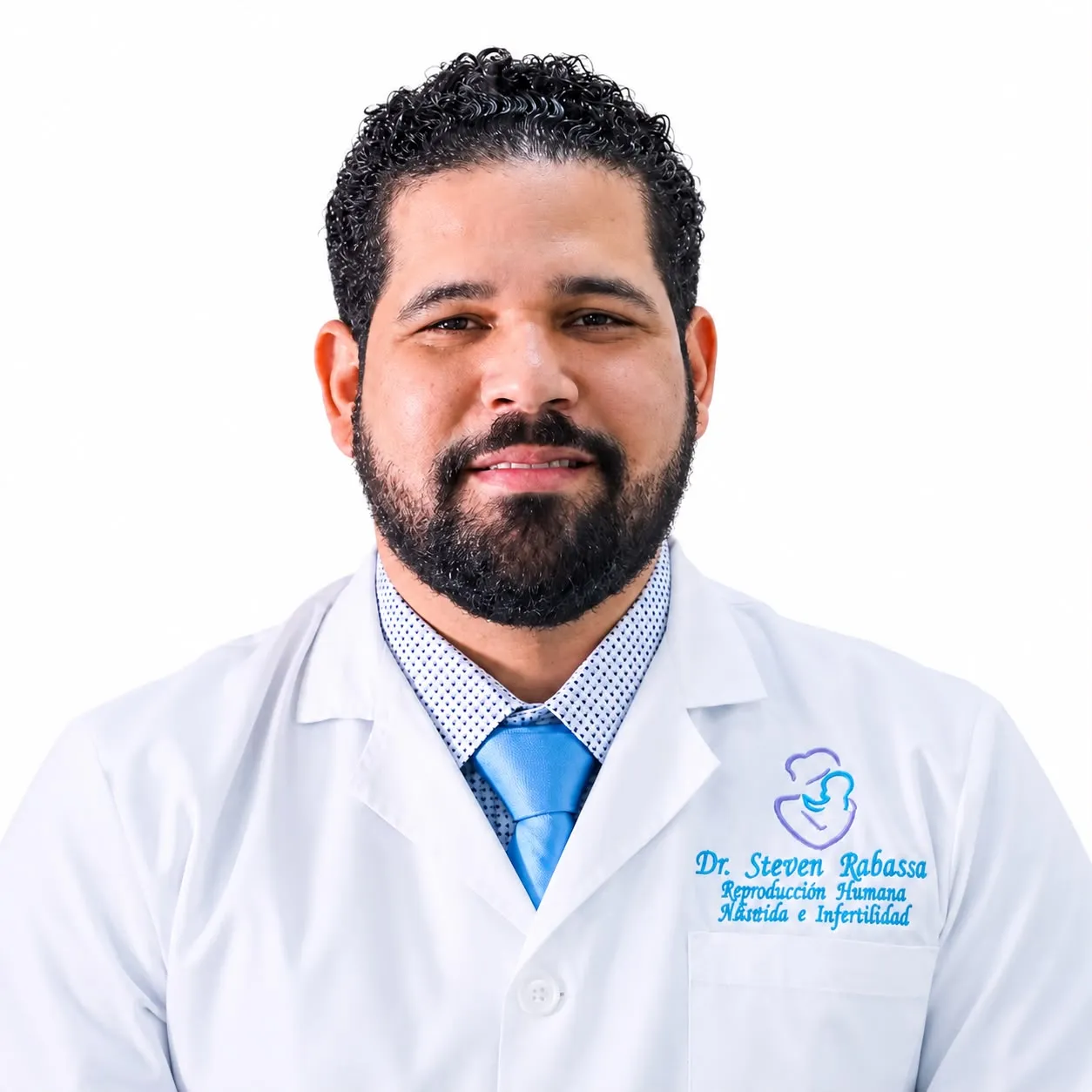
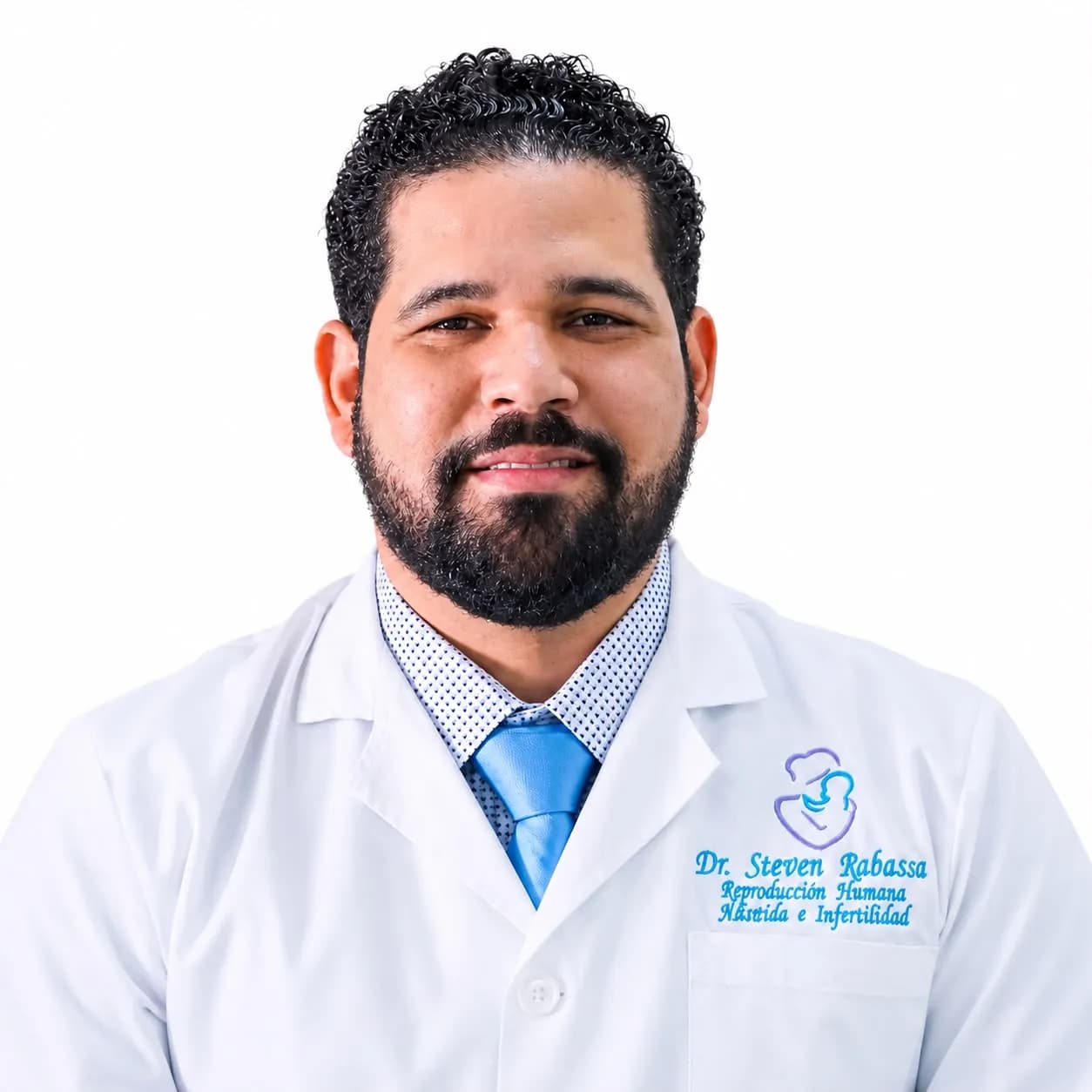
Medical expertise becomes most critical when the initial scenario requires adaptation.Dr. Steven Rabassaapproaches each diagnosis through strict individualization, assessing endocrine, anatomical, and laboratory variables to make evidence-based clinical decisions and explaining the rationale behind every therapeutic adjustment within thefertility specialty.
A Success Rate Doesn’t Tell the Whole Story
Assisted reproduction statistics often cause confusion unless examined with transparency:
- Per Started Cycle: Accounts for all patients who begin stimulation, including those whose cycles are canceled due to poor response or lack of eggs.
- Per Retrieval (Puncture): Evaluates outcomes solely for those who made it to egg retrieval.
- Per Embryo Transfer: Reflects the probability of pregnancy for each completed transfer, excluding cycles where no viable embryos developed.
- Cumulative Success Rate: Measures the probability of a live birth across all transfers resulting from a single retrieval cycle.
Probabilities depend heavily on patient age, gamete quality, and uterine factors. To understand how to evaluate clinical metrics and review ethical medical standards, consult our guide onhow to read success rates and choose a fertility clinic.
Comprehensive Care: Science with Emotional Support
The burden of assisted reproduction is rarely just physical; the psychological toll of a complex diagnosis or an unsuccessful attempt affects overall well-being.
A comprehensive care model recognizes that technical excellence and empathy are not mutually exclusive. Whether working with couples, women pursuing solo parenthood, or individuals who have faced years of uncertainty, having an accessible team that listens without judgment significantly eases anxiety. To learn how other families navigated this path, you can explore their journeys inFamily Stories.
If You Live Outside the Dominican Republic: How Your Process Begins
For international patients and families living abroad, pursuing fertility treatment overseas requires clear organization without unnecessary travel.
The pathway starts remotely through an express tele-orientation, during which your medical records, hormonal panels, and previous ultrasounds are reviewed. Following that assessment, our team structures an initial diagnostic roadmap and a written estimate, allowing you to complete preparatory testing in your home city and travel only for the presencial clinical phase. To learn about timelines and logistics, review our21-day guide to in vitro fertilization abroad.
(Note: In situations requiring third-party evaluation or alternative care paths, you can explore our resources onsurrogacy in the Dominican Republicand the differences betweentraditional vs. gestational surrogacy).
Frequently Asked Questions
What happens if my first IVF cycle doesn’t work?
An unsuccessful cycle does not indicate a definitive biological barrier. It provides essential diagnostic data: how the ovaries responded to specific stimulation, how gametes fertilized in the lab, and how embryo development progressed. With this information, the specialist determines whether to adjust medication protocols, investigate endometrial factors, or modify sperm selection techniques.
What is the difference between IVF with ICSI and conventional IVF?
In conventional IVF, eggs and sperm are incubated together for fertilization to occur naturally in the dish. In IVF with ICSI, the embryologist micromanipulates a single sperm and injects it directly into each mature egg, a technique indicated for severe male factor issues or previous fertilization failure.
Can I do IVF with my own eggs after 40?
It is biologically possible, but outcomes depend on ovarian reserve and the natural, age-related increase in chromosomal abnormalities (aneuploidy). In these situations, an ovarian reserve assessment is conducted to determine whether using autologous eggs is clinically viable and to establish realistic expectations regarding embryo yield.
What medical records should I bring to my first tele-orientation?
To make the most of your consultation, having the following ready is ideal:
- Blood hormone panel (including Anti-Müllerian Hormone - AMH, FSH, LH, and Estradiol).
- Recent transvaginal ultrasound showing an antral follicle count.
- Semen analysis for your partner (if applicable).
- Operative notes or previous fertility treatment summaries from other centers, if any.
Take the First Step: Schedule Your Express Tele-Orientation
Every reproductive journey involves unique clinical factors and deserves answers grounded in medical data, not guesswork.
Take the first step to evaluate your case individually. Book an express tele-orientation or contact us via WhatsApp to review your records directly with Dr. Steven Rabassa’s team and establish a clear plan for your treatment.