For those living abroad, considering fertility treatment far from home often raises an immediate question: “How do I do this from another country without feeling lost?”Coordinating flights, scheduling time off work, managing hormone dosages, and navigating an unfamiliar medical environment can feel overwhelming.
Planning medical care from a distance does not have to be a leap into the unknown. With a structured methodology, direct communication, and a clear week-by-week calendar, you can navigate this process with organization and clinical peace of mind.
Is It Possible to Undergo In Vitro Fertilization Abroad?
Yes, it is an established and routine medical practice. The key lies in dividing the process between what can be resolved virtually and the biological stages that require in-clinic medical intervention.
Why Many People Seek Treatment Outside Their City or Country
Motivations vary for each patient or couple. Frequent factors include access to specialists experienced in complex cases, availability of advanced laboratory technology, shorter diagnostic wait times, or reasonable cost optimization compared to their home countries. To evaluate the financial scope before traveling, it is helpful to carefully reviewhow much it costs to undergo surgery abroad.
Research on cross-border reproductive care highlights that traveling couples frequently place high value on regaining a sense of control and exhausting all available therapeutic options (Facts, Views & Vision in ObGyn,2014).
What Is Handled Remotely vs. What Requires Your Presence
Modern medicine allows treatment to be clearly divided into two distinct phases:
- Remote (in your country of residence): Initial consultation, medical history review, baseline blood panels, preliminary ultrasounds, and prescriptions issued to obtain medications locally.
- In-Person (at the destination clinic): Final ultrasound monitoring of follicular growth, egg retrieval under mild sedation, laboratory procedures (fertilization and embryo culture), and embryo transfer into the uterus.
Before You Travel: How to Begin Your Fertility Treatment
An efficient medical journey begins weeks before boarding a flight. Organizing the diagnostic phase from home prevents unnecessary extended stays and unforeseen expenses.
Step 1: Gather Your Medical Records and Tests
Before any consultation, compile your medical file: previous hormone panels (Anti-Müllerian Hormone - AMH, FSH, LH, Estradiol), pelvic ultrasounds with antral follicle counts, semen analysis, and reports from any prior procedures.
Step 2: Your Express Tele-Orientation (Up to 15 Minutes)
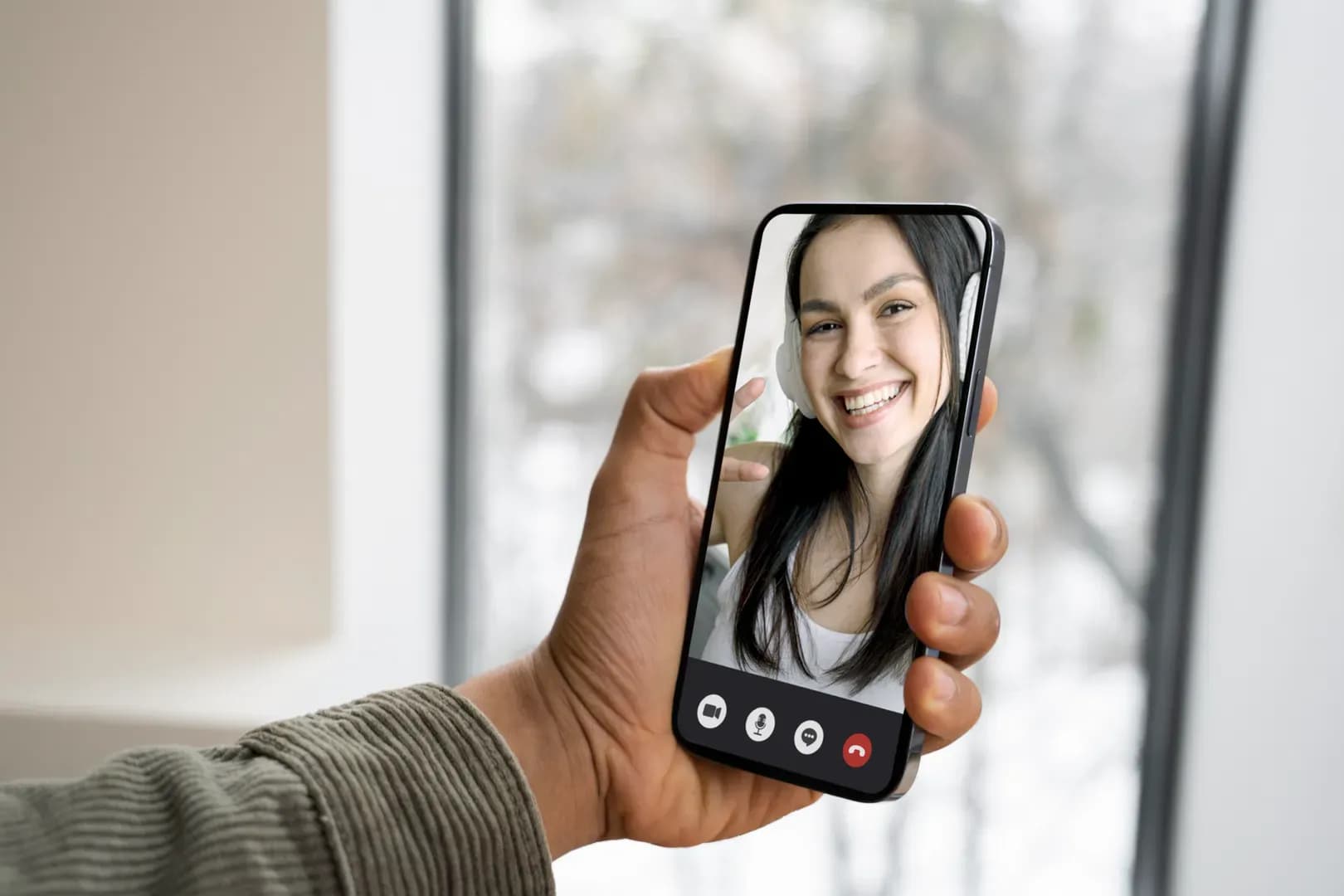
Initial contact takes place via video call. This focused session allows the team to review your baseline tests, address core questions, and determine whether your case is suitable for in-person treatment. To learn what happens during this appointment, reviewwhat to expect during your first international medical tele-orientation.
Step 3: Diagnosis, Clinical Plan, and Written Estimate
Once your medical records are evaluated, the medical team provides an individualized proposal. Knowing your specific protocol in advance and receiving an itemized written estimate allows you to organize logistics with predictability, following guidelines onmedical tele-orientation before traveling.
Your 21-Day Itinerary, Week by Week
The 21-day timeline is a reference guide. Every biological cycle responds to individual factors; exact dates are determined by ovarian response monitored by your specialist.
Stage
Approximate Timeline
Primary Clinical Milestones
Week 1
Days 1 to 7
Arrival at clinic, baseline ultrasound evaluation, and initiation of controlled ovarian stimulation.
Week 2
Days 8 to 14
Serial follicular monitoring, trigger injection administration, egg retrieval, and laboratory fertilization.
Week 3
Days 15 to 21
Extended embryo culture to blastocyst stage, embryo transfer, brief rest period, and return flight home.
Week 1: Preparation, Baseline Tests, and Starting Stimulation
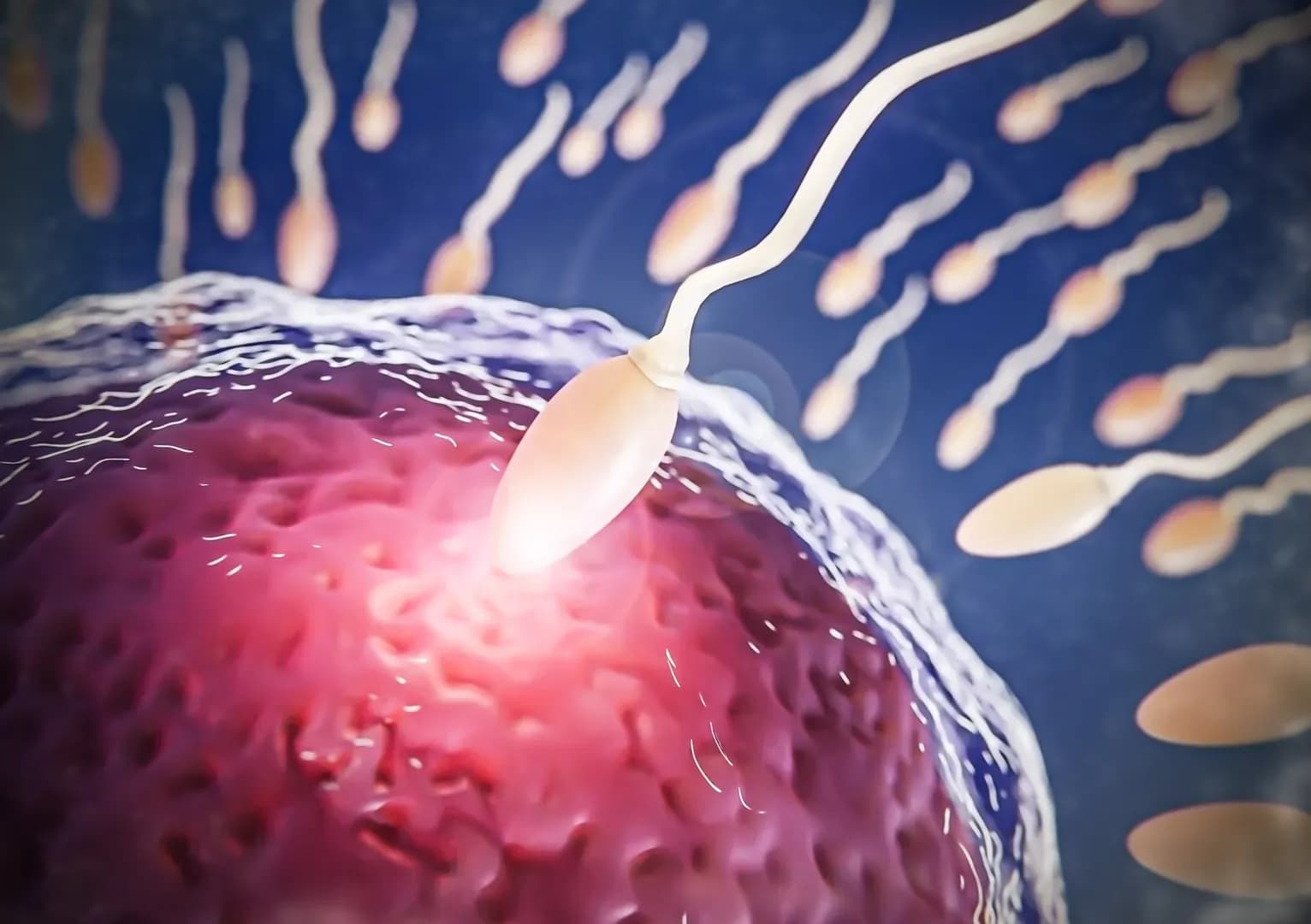
The active cycle begins with your menstrual period. A baseline transvaginal ultrasound and blood work ensure the ovaries are resting. Daily subcutaneous gonadotropin injections then begin to stimulate multi-follicular development. To explore how these cellular phases work together, review theASRM in vitro fertilization infographics.
Week 2: Monitoring, Retrieval, and Laboratory Fertilization
Throughout these days, serial ultrasounds and estradiol tests monitor follicle growth. When follicles reach 17 to 20 mm, a maturation trigger shot is administered. Exactly 36 hours later, follicular aspiration is performed: an outpatient procedure under mild sedation lasting 15 to 20 minutes to retrieve the oocytes, which are immediately transferred to the embryology laboratory for fertilization.
Week 3: Transfer, Rest, and Returning Home
Embryos are cultured for 3 to 5 days in controlled incubators until reaching the blastocyst stage. The fertility specialist deposits the selected embryo into the endometrium using an ultrasound-guided catheter. This is a painless procedure requiring no anesthesia. Following 24 to 48 hours of light rest, you can take your flight back home. If your diagnosis involves specific medical complexities, read more abouthow in vitro fertilization abroad is organized for complex cases.
How to Plan Your Trip Stress-Free
Organizing logistics outside the clinic minimizes travel fatigue and makes your treatment journey more comfortable.
Where Dr. Rabassa Practices and Choosing the Right Location
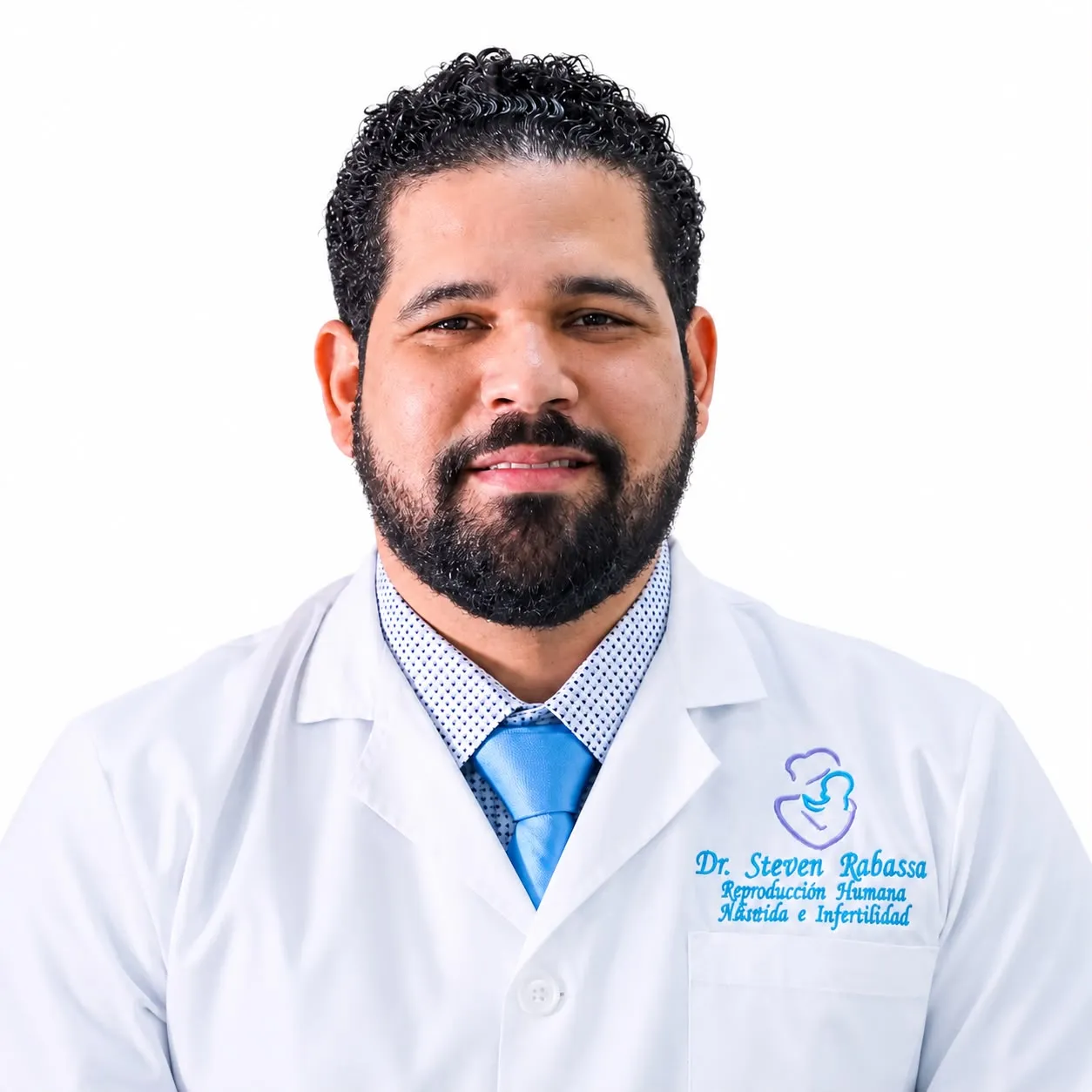
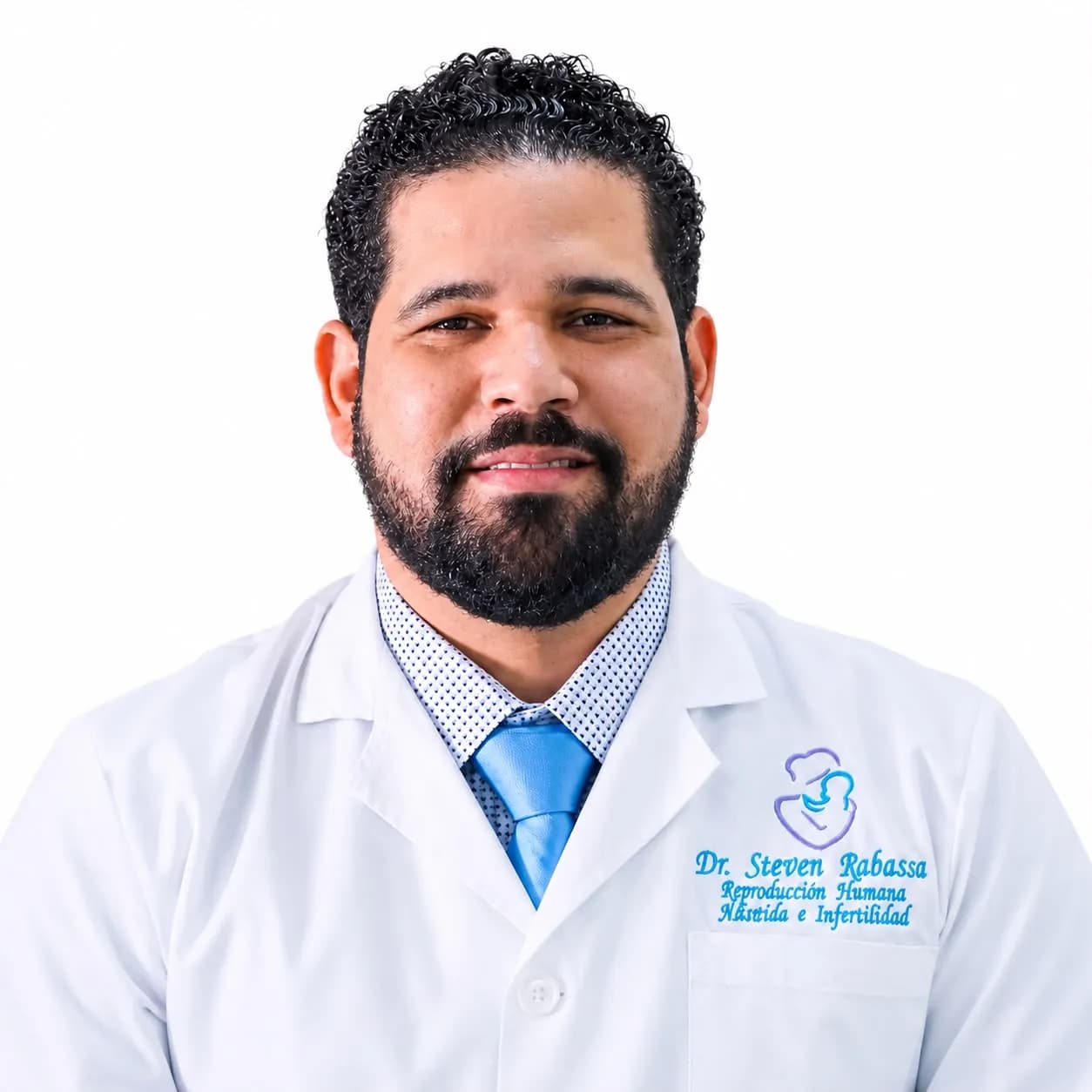
In-person care is led directly by reproductive medicine specialists. You can review clinical credentials, clinic locations, and background onDr. Steven Rabassa's profile.
Accommodations, Transportation, and Travel Companions
It is advisable to book accommodations within 15 to 25 minutes of the clinic for ease of travel during early morning monitoring visits. While many patients travel with a partner or relative, outpatient protocols make solo travel feasible, provided you arrange companion assistance on the day of egg retrieval due to sedation. Review additional recommendations forplanning treatment abroadahead of time.
What to Pack in Carry-On and Checked Baggage
- Carry-on Luggage (Essential): Original medical records, translated or certified prescriptions, hormonal medications (packed in temperature-controlled cooler bags if refrigeration is required), and printed clinical summaries.
- Checked Luggage: Loose cotton clothing, flat walking shoes, and comfortable attire for recovery days following retrieval and transfer.
After the Procedure: Pregnancy Testing and Virtual Follow-Up
Returning home marks the beginning of the "two-week wait," a period of 10 to 12 days before taking the confirmatory test.
A quantitative serum beta-hCG blood test should be completed at a local laboratory in your home city, with results sent digitally to your specialist. Continued luteal progesterone support and any medication adjustments are coordinated remotely through follow-up virtual appointments.
The Emotional Side of the Journey
Traveling for medical care means stepping out of your everyday environment, which can bring added stress or questions. Clinical studies on fertility and psychological well-being indicate that reproductive treatments carry significant stress (Dialogues in Clinical Neuroscience,2018).
It is important to emphasize that reducing stress does not medically guarantee pregnancy, but it does make the experience more humane, supported, and manageable. Communicating openly, leaning on loved ones, and working with an empathetic, transparent medical team can make a significant difference. You can read accounts from patients who completed this journey inhow their process went: a step-by-step guide.
If Your Case Requires an Alternative Path
Every patient's reproductive biology is different. If an initial diagnostic evaluation indicates that conventional IVF with autologous eggs is not the optimal path, alternative therapeutic options are available, such as egg donation, fertility preservation, or ourfertility treatment itinerary in the Dominican Republicfor cases requiring gestational surrogacy. Before deciding on a clinic, review ourquestions to ask before starting: 21-day itinerary guideto assess transparency and clinical safety standards.
Frequently Asked Questions
How many days do I need to stay in the Dominican Republic?
In a typical protocol planned remotely, the required in-person stay ranges from 14 to 21 consecutive days, covering final follicular monitoring visits through post-transfer rest.
Can I complete the early monitoring visits in my home city?
Yes. In many cases, patients can complete the first 4 to 6 days of stimulation and baseline ultrasounds with a trusted local gynecologist, sending ultrasound images to our clinical team to adjust dosages and traveling only for retrieval and transfer.
What happens if my response to stimulation is poor during the trip?
Ovarian response can vary unexpectedly. If follicles do not develop at the expected rate, your specialist may adjust dosages, extend medication days, or, based on transparent clinical judgment, cancel the cycle prior to retrieval to safeguard patient health and avoid unnecessary expenses.
How is follow-up handled once I return home?
Clinical communication continues via direct messaging and telehealth consultations. The medical team reviews your pregnancy blood tests, adjusts hormone support, and provides clinical notes to hand over to your local obstetrician once pregnancy is confirmed.
Schedule Your Tele-Orientation and Build Your 21-Day Calendar
Organizing your fertility procedure abroad does not have to involve uncertainty when guided by a structured clinical roadmap and dedicated medical support.
Review your questions and previous test results directly with a specialist. Schedule your consultation through ourfertility treatment abroad guide, contact us via WhatsApp, or request the21-day fertility treatment guidealong withhow to plan fertility treatment before travelingto design a plan tailored to your needs.